Sindh’s Education Minister Highlights Provincial Reforms at Regional ADB Forum
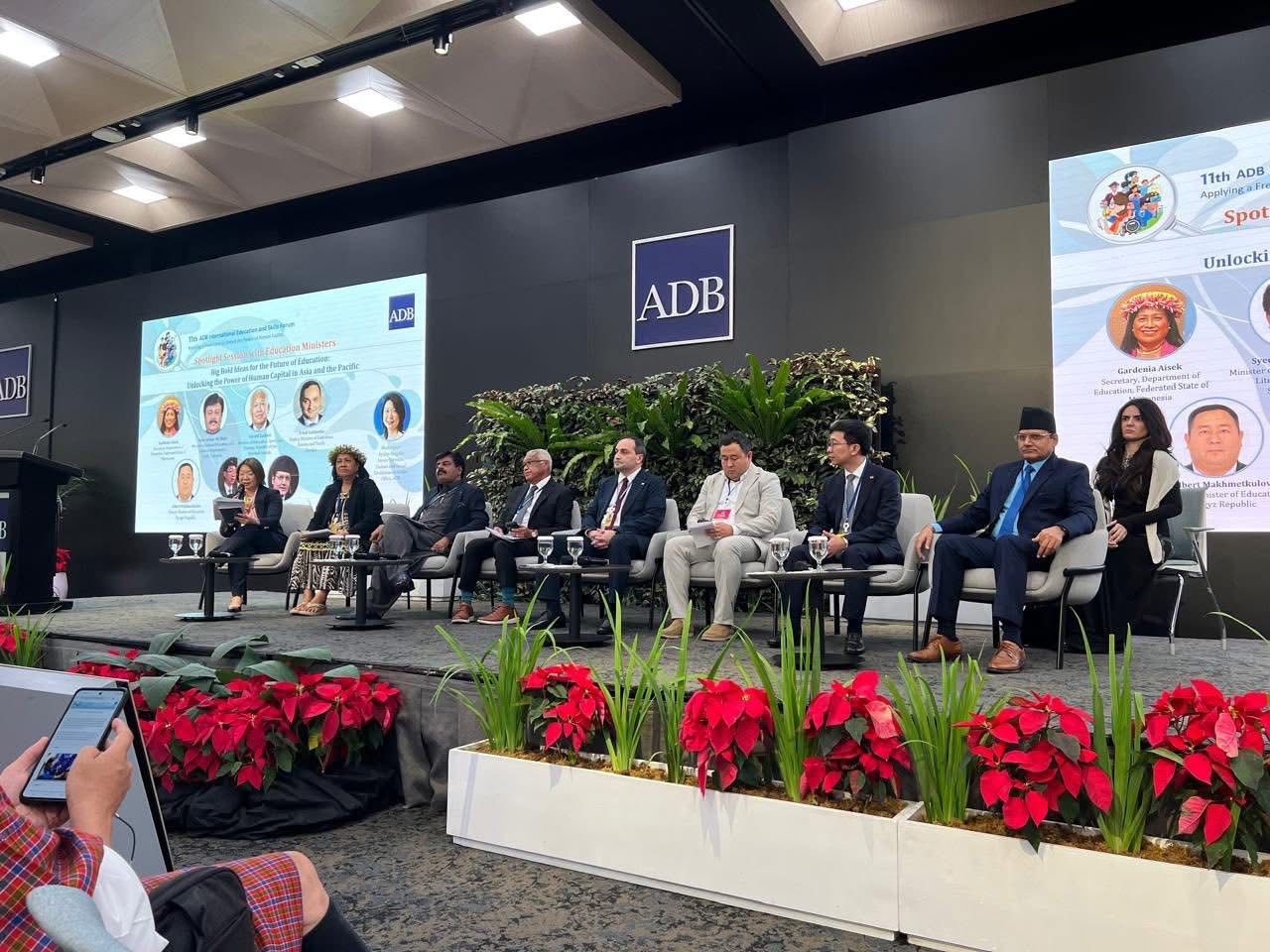
A high-level regional event on education titled “Applying a Fresh Lens to Unlock the Power of Human Capital” was held from 3–5 December 2025 at the Asian Development Bank (ADB) headquarters in Manila, Philippines. The conference brought together Education ministers and senior officials from over a dozen Asian countries to discuss regional and global education challenges, explore technical and financing solutions, and accelerate reforms across member states.
Representing Pakistan, Sindh’s Minister for School Education & Literacy, Syed Sardar Ali Shah, participated in the forum alongside Project Director Muhammad Rizwan Soomro of the ADB-assisted Sindh Secondary Education Improvement Project (SSEIP).
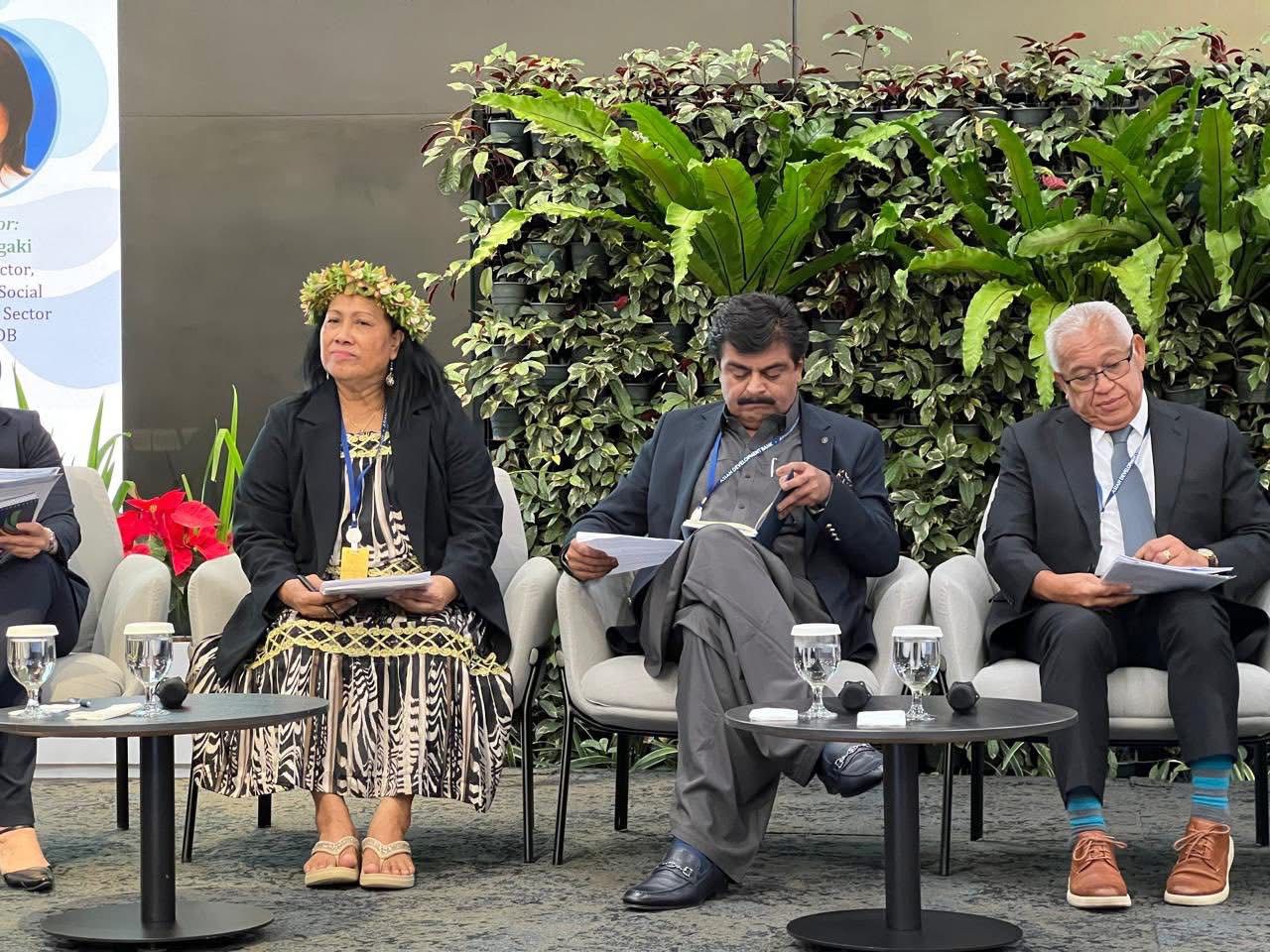
During a ministerial panel discussion, Syed Sardar Ali Shah made a substantive and well-received intervention, outlining both the structural challenges facing Sindh’s education sector and the concrete measures underway to address them. He noted the common regional challenges across member countries and emphasised the need for responsible integration of Artificial Intelligence in education, cautioning against approaches that may undermine cognitive learning.
The minister highlighted Sindh’s ongoing reforms, including school infrastructure improvement, especially in the aftermath of floods, Teacher training and professional development, curriculum alignment and modernisation, Technology and AI integration, Skills development for maximum employability, and transparent and accountable governance mechanisms.
Referring to the experience of the 11 CAREC countries, he expressed interest in adopting China’s Skill Development Plan using that platform through ADB, describing it as a successful and scalable model. He sought ADB’s technical support to help Sindh adapt and implement this framework. The minister also underscored the persistent mismatch between market skills required and education, stressing the importance of aligning the system with current and future labour demands.
Discussing post-flood recovery, he noted that out of 40,000 schools in Sindh, approximately 15,000 were damaged, while only 5,000 are currently being rebuilt through available support. The remaining schools, he said, require urgent international assistance. He reaffirmed Sindh’s commitment to expanding access, improving learning outcomes, and ensuring gender inclusiveness in all reforms.
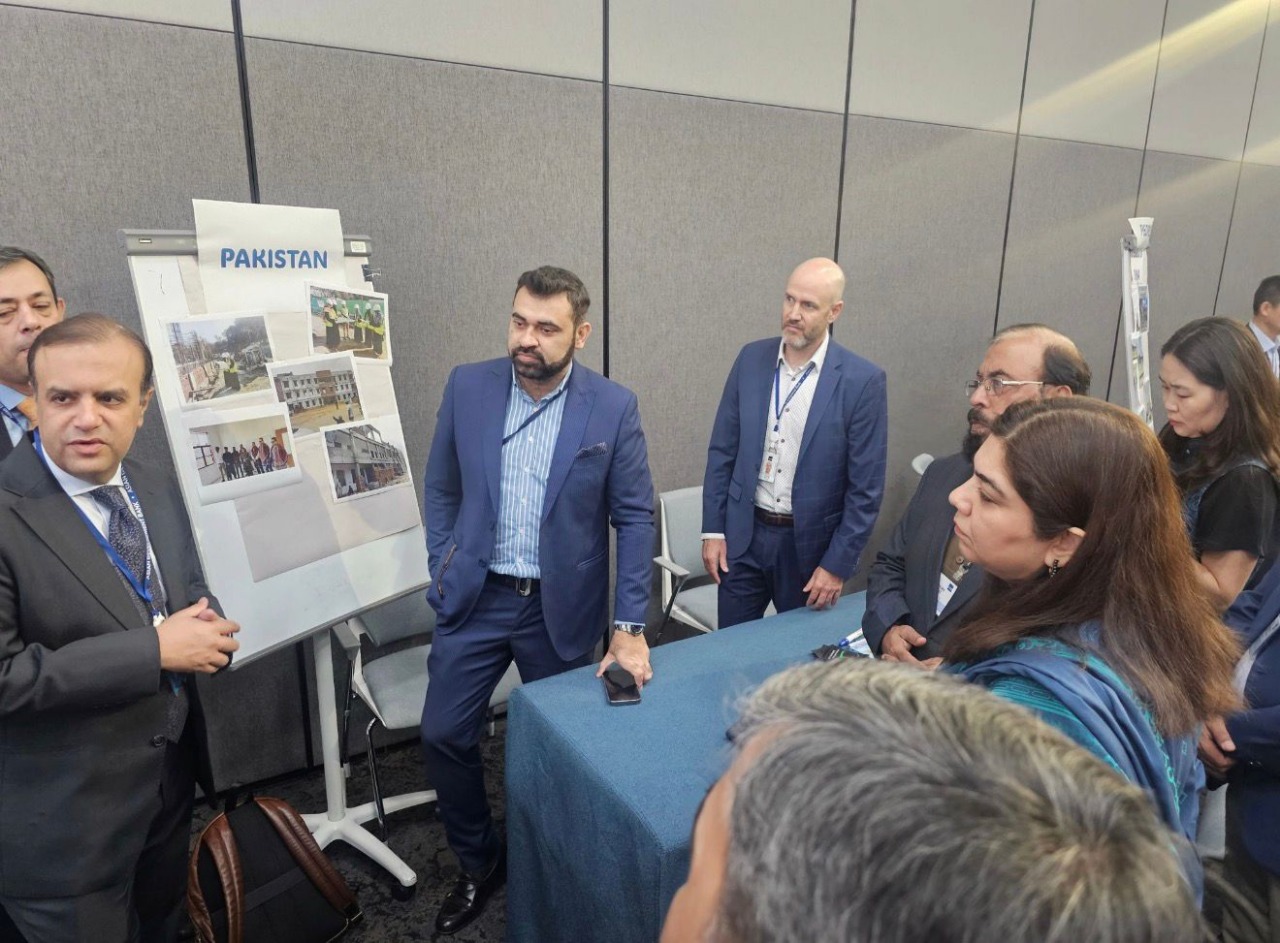
In the technical session for implementers and executors, Muhammad Rizwan Soomro presented best practices in climate-resilient school infrastructure developed under SSEIP, showcasing innovative design and implementation approaches. In the same session, a representative from Punjab shared insights on vocational education initiatives.
Overall, the event served as a significant platform for regional knowledge exchange, and reaffirmed Sindh’s strong commitment to transformative education reforms through continued partnership with ADB and other development partners.